🌱 Financing agricultural transitions in Africa: key takeaways from our webinar with AKADEMIYA2063 and ATLAS
REPLAY
FARM x AKADEMIYA2063 x ATLAS Webinar, Tuesday, June 30, 2026
“Public support and agricultural financing in Africa: What levers can be used to support these transitions?»
–
Many of you from around the world connected on Tuesday, June 30th for the webinar "Public Support and Agricultural Financing in Africa: What Levers Can Support the Transitions?", co-organized by the FARM Foundation, AKADEMIYA2063 and ATLAS
Hosted by Matthieu BRUN, scientific director of the FARM Foundation, this exchange brought together researchers, public decision-makers and financing stakeholders around a common question: in a context of budgetary constraints, an increasing debt service burden and a decline in international aid, how can public and private resources be directed, coordinated and monitored to support agricultural and agri-food transitions? Three expert presentations provided an analysis, before a round table bringing together a representative from the Senegalese Ministry of Agriculture, a specialist in blended finance and an expert on continental agricultural agendas.
The interventions highlighted several key structural issues:
The question is no longer just how much support we provide, but also how to better direct and target that support.
As recalled Abdoul Fattath TAPSOBA By presenting the FARM Foundation's Global Observatory of Public Support for Agriculture (93 countries, representing over 90% of global agricultural production), the issue goes beyond the mere volume of support. In sub-Saharan Africa, the relative budgetary effort remains lower than in major agricultural regions, and support is heavily concentrated on collective services, which, while useful, are often geared towards broad rural development rather than targeted agricultural investment. The orientation and targeting of support are therefore just as important as its amount.
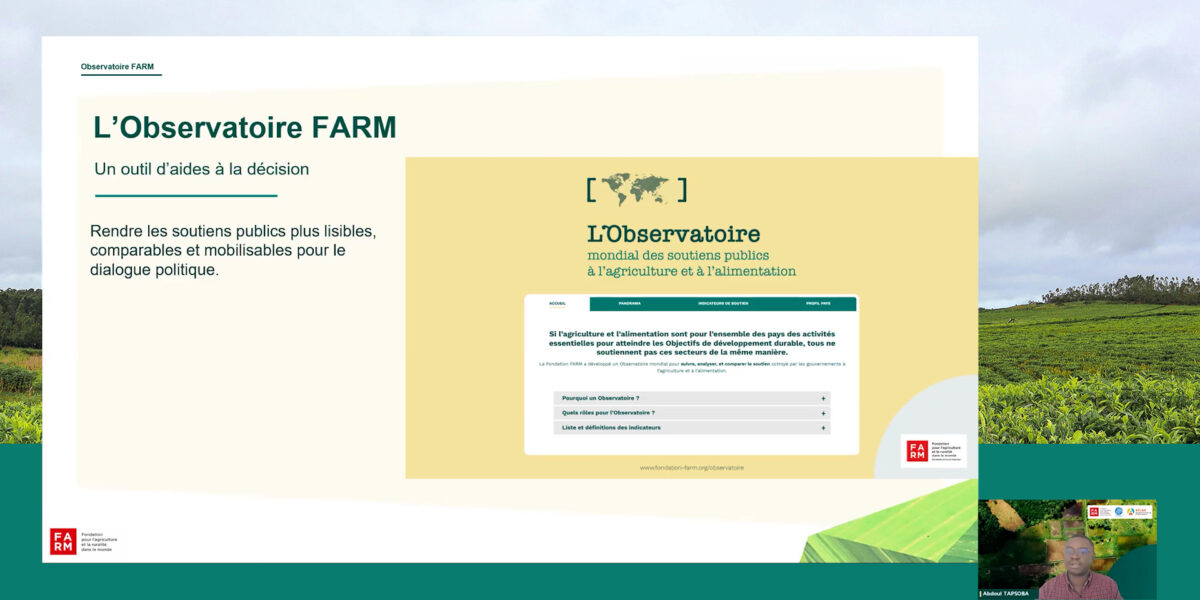
Faced with limited resources, the challenge is also to "invest better".
Mahamadou TANKARI, Deputy Director and Head of the Policy Modelling Unit at AKADEMIYA2063, placed these issues within the Kampala Agenda of the CAADP 2026-2035, which marks the shift from a logic centered on agricultural production to an approach broadened to include agricultural and food systems. While many countries remain below the 10% threshold of public spending on agriculture, the challenge is to identify the most impactful investment combinations and ensure policy coherence, drawing on evidence and decision-support tools, illustrated by examples from Togo and Kenya.
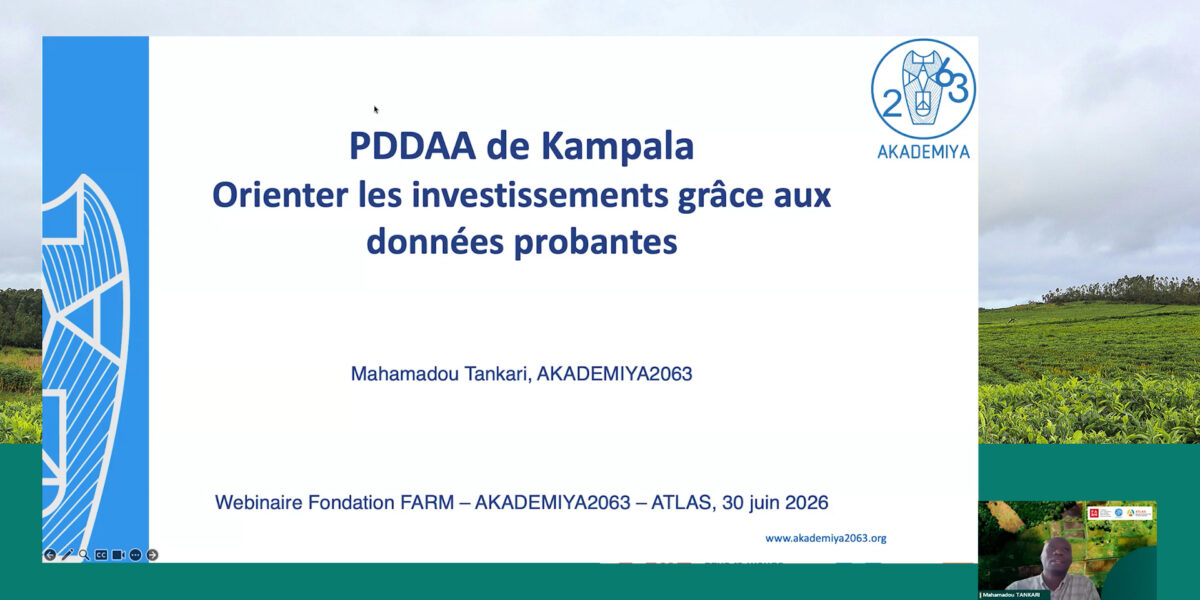
Agricultural investment is increasing, but remains far below the needs.
Augustin GRANDGEORGE, [Name], head of development initiatives at the Paris Peace Forum, presented the second edition of the ATLAS Agricultural Finance Barometer. Investments in African agricultural and food systems are growing faster than in other sectors on the continent and could reach $58 billion by 2030. However, they remain far from meeting the needs, estimated at between $100 and $200 billion per year, and remain heavily concentrated in about ten countries. A triple shock is weighing on the outlook: the decline in official development assistance, the input crisis linked to the Middle East, and the rise in climate risks, while adaptation financing remains insufficient.

Under severe budgetary constraints, the challenge is to better direct public effort.
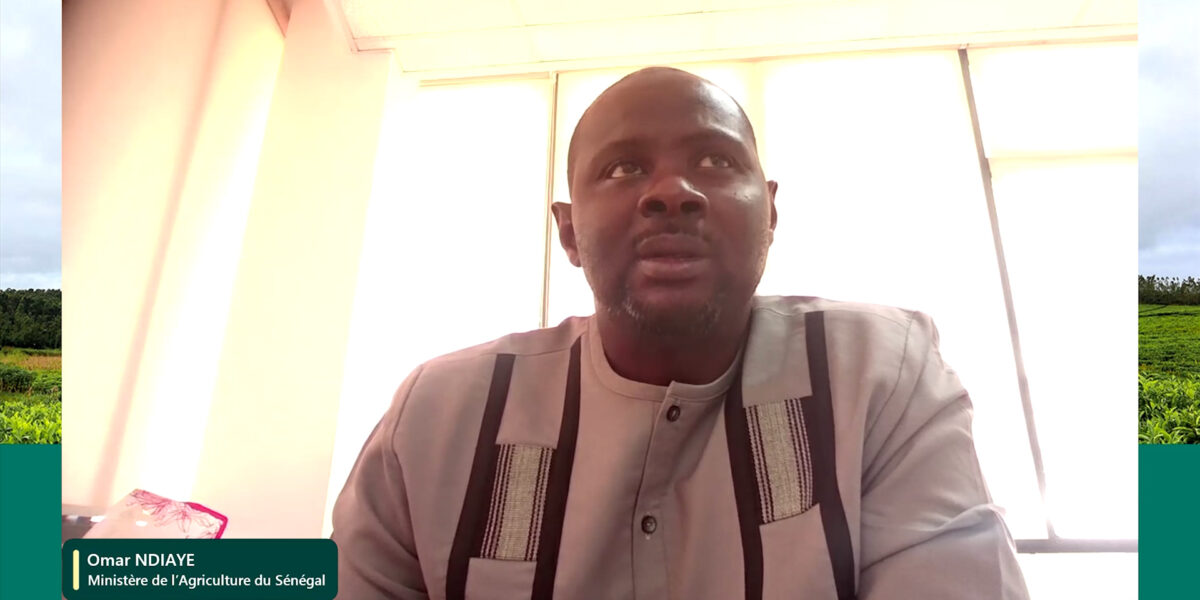
Omar NDIAYE, The representative from the Senegalese Ministry of Agriculture, Food Sovereignty, and Livestock described decisions often made in haste, to the detriment of structural investments (storage, water management, digitalization, mechanization, etc.). He advocated for better targeting and simple, demonstrative instruments, linked to priority value chains such as maize, or to collective mechanisms such as community agricultural cooperatives. In this perspective, the State's role is to correct market failures and guide investments, without replacing the private sector.
Mixed finance can unlock private capital for agriculture.
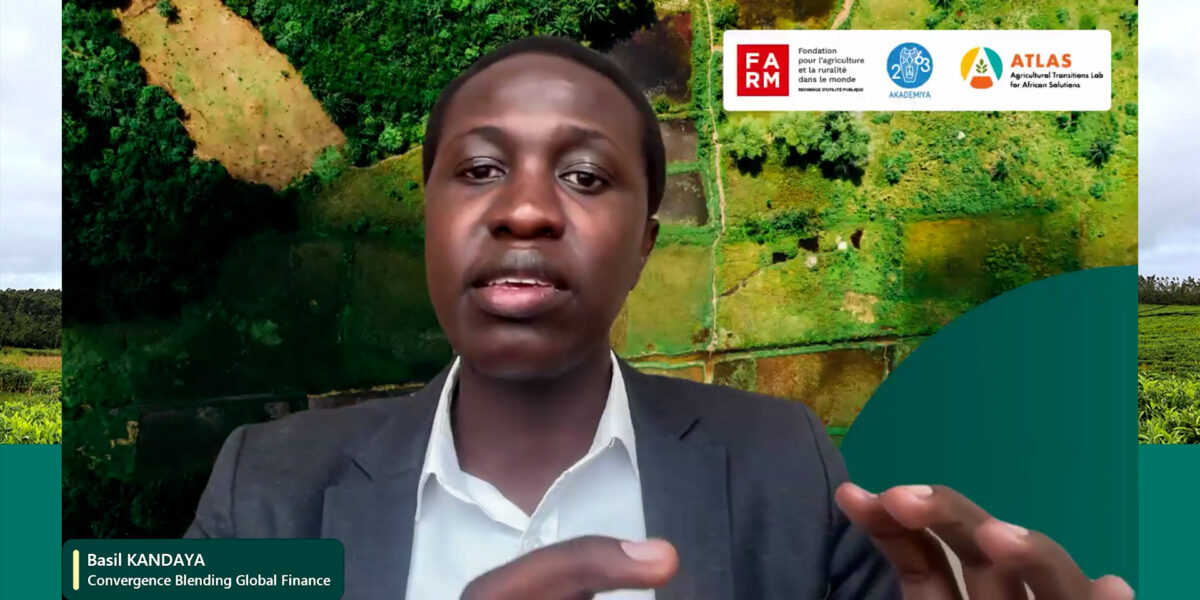
Basil KANDAYA, [Name], Senior Associate at Convergence Blended Finance, demonstrated how blended finance mechanisms can reduce perceived risks for investors and facilitate financing for agricultural SMEs and small producers. He also emphasized the importance of providing technical assistance to financial institutions and developing instruments tailored to the realities of the agricultural sector. Through several examples from West and East Africa, he illustrated the potential of these approaches to strengthen private investment in agri-food systems.
The Kampala Agenda transforms plans into investment platforms.
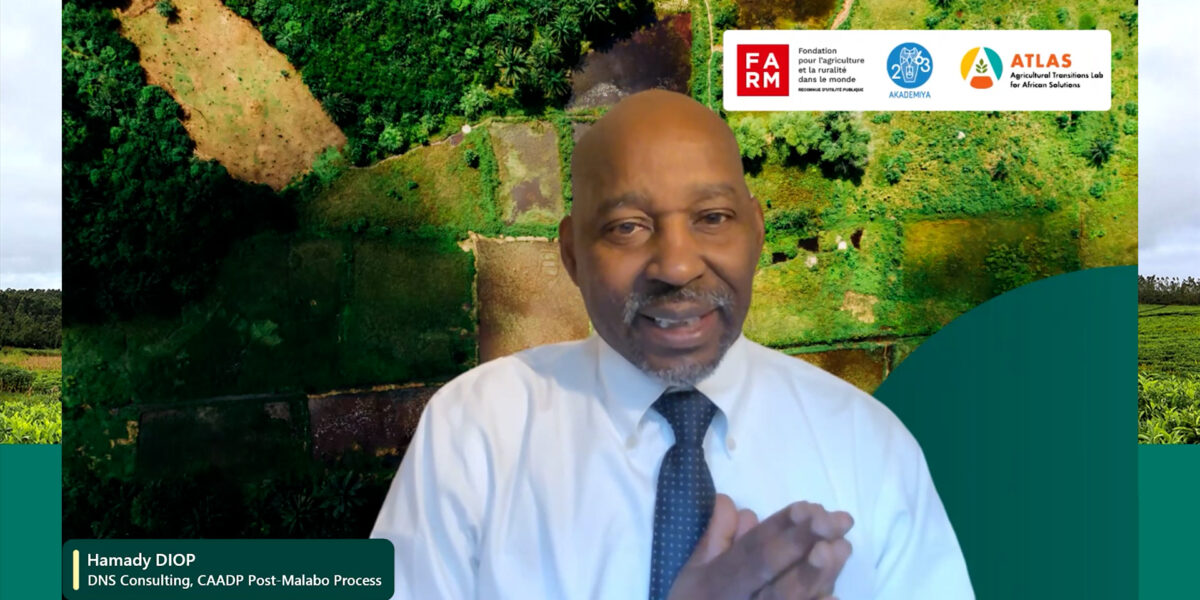
Hamady DIOP, [Name], former coordinator of the post-Malabo process of the CAADP at the African Union Commission, recalled that the Maputo and Malabo agendas helped structure African agricultural planning around common objectives and national investment plans. A key lesson of the last two decades has been that plans only produce results if they are effectively linked to national budgets. The Kampala Agenda marks a new stage by emphasizing the operationalization of commitments, multi-sectoral coordination, the prioritization of bankable projects, and the strengthening of accountability. In this context, the commitment of the 10 % of public spending should serve as leverage to mobilize $100 billion in private, concessional, and climate-related financing by 2035, while taking into account national realities, informal financing, and the protection needs of smallholder farmers.
🌍 Towards a new articulation between public support, private financing and agricultural priorities
At the end of the webinar, discussions highlighted the need to better coordinate public support, private financing, and national priorities for agricultural and food transformation. In a context of constrained public resources, the challenge is to preserve public investment, better direct it, mobilize additional funding, and strengthen the accountability of implemented policies. The Kampala Agenda offers an important framework in this regard for linking continental commitments, national budgets, and bankable projects, provided they are based on reliable data, strong institutional coordination, and instruments adapted to the realities of producers, agribusinesses, and governments.
This is the whole point of the dialogue undertaken between the FARM Foundation, AKADEMIYA2063 and ATLAS, who intend to continue this joint work aimed at public decision-makers, technical and financial partners, researchers and public and private actors in agricultural development.
A big thank you to our speakers, as well as to all the people connected from Benin, Ghana, Madagascar, France and many other countries, who enriched the discussions with their questions!
Webinar details
• FARM x AKADEMIYA2063 x ATLAS Webinar
• Public Support and Agricultural Financing in Africa: What Levers to Support Transitions?
• Date : Tuesday, June 30, 2026, from 11:30 am to 1:20 pm (Paris time), with a question and answer session
• Format: Bilingual French-English webinar
• Webinar replay: https://www.youtube.com/watch?v=7ZxCCay6VbY
• Free event with registration (Registration closed)

