FARM meets with Antonia LAMBERT-ALCANTARA: private financing in the agricultural transitions of tropical sectors
In this new three-part series from FARM, we meet… Antonia LAMBERT-ALCANTARA, consultant, agronomist and PhD in agricultural economics, who shares her expertise on a key issue for agricultural transitions in tropical sectors: private financing.
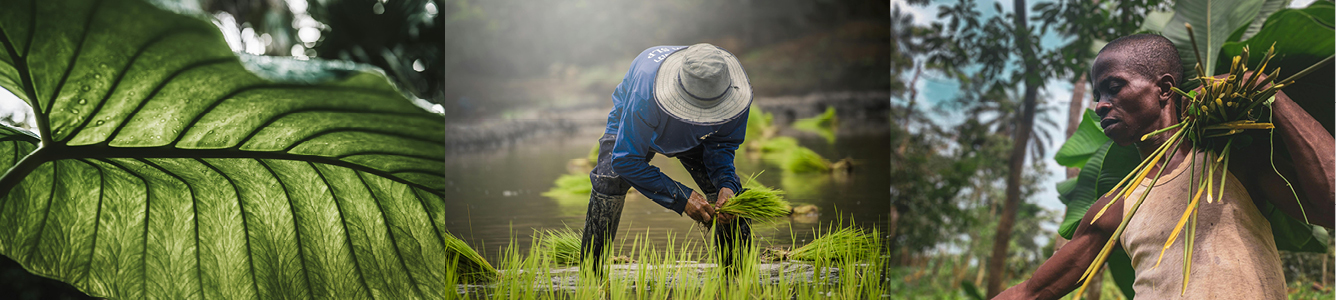
As tropical agricultural sectors adapt to climate change and contribute to the Sustainable Development Goals (SDGs), financial needs far exceed public capacity. Understanding the origin, rationale, and role of private financing is becoming essential to supporting these transformations.
The 4 key points for understanding private financing in tropical agricultural transitions
1️⃣ Faced with the impacts of climate change and new sustainability requirements, tropical sectors must invest to adapt their practices.
Climate variability, disease, and soil degradation are weakening crops like cocoa and coffee. At the same time, buyers must now prove that their supplies meet environmental and social criteria. For producers, this means financing significant changes to their production systems.
2️⃣ Private financing becomes essential because it brings together all the capital that does not come from the state or public banks.
This includes funding provided by commercial banks, investment funds, insurers, foundations, exporting companies, microfinance institutions and NGOs.
These actors are mobilizing their resources to support more sustainable agricultural projects, encouraged by regulations, climate risk management, societal expectations and securing supplies.
In other words: Private financing is the set of financial means that complement, and sometimes replace, public financing to enable producers to invest.
3️⃣ This funding allows producers and cooperatives to adapt.
They are used to modernize practices, improve quality, invest in equipment, strengthen organizational capacities, or develop local processing. Private financing covers very different needs: from seasonal loans to get through a single season to long-term investments to structure an entire sector.
4️⃣ Obstacles still hinder producers' access to this financing, but solutions exist.
The lack of reliable data, uncertainty about market opportunities, land insecurity, and overly short-term financial tools limit the impact. To address these challenges, it is necessary to better measure results, recognize best practices, combine public and private financing to reduce risk, share guarantees, and stabilize the rules of sustainable finance.

